Land that earns its keep: the other side of the investment portfolio.
Land is the only asset most people own that can be farmed, rented, hunted, harvested and passed to the next generation. But rural property only earns when the numbers and the management are right. I help owners and investors buy and sell income-producing land in the Driftless, from cash-rent farms to recreation ground, and I bring the tax and 1031 questions into the open.
Four ways rural land pays you back.
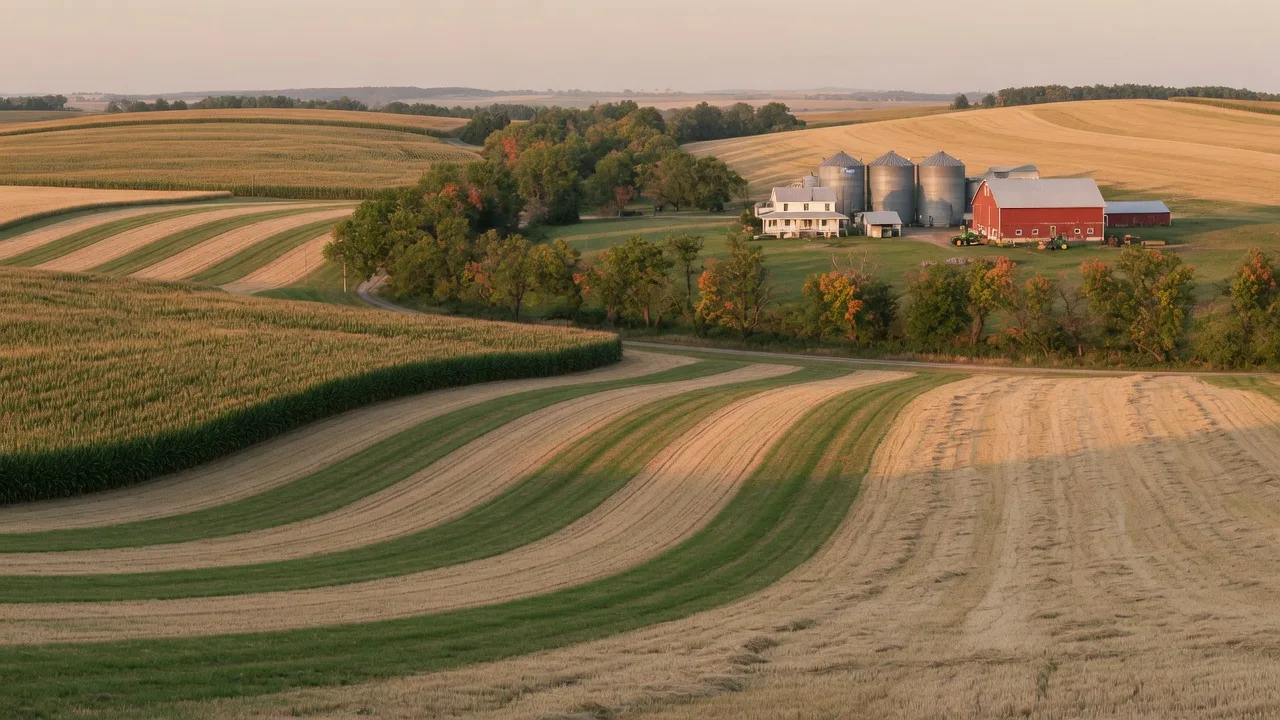
Tillable farmland
Cash-rented cropland turns income with a check each season, and soil quality drives the rate. I can help you read FSA records, soil maps and local rent comparables.
Timbered acreage
Mature timber is a long-cycle asset that can be sustainably harvested. A timber cruise tells you what is there, what it is worth and when it is ready.
CRP & conservation land
Land enrolled in conservation programs (CRP and similar) carries guaranteed annual payments. Buyers value the income and the habitat it pays for.
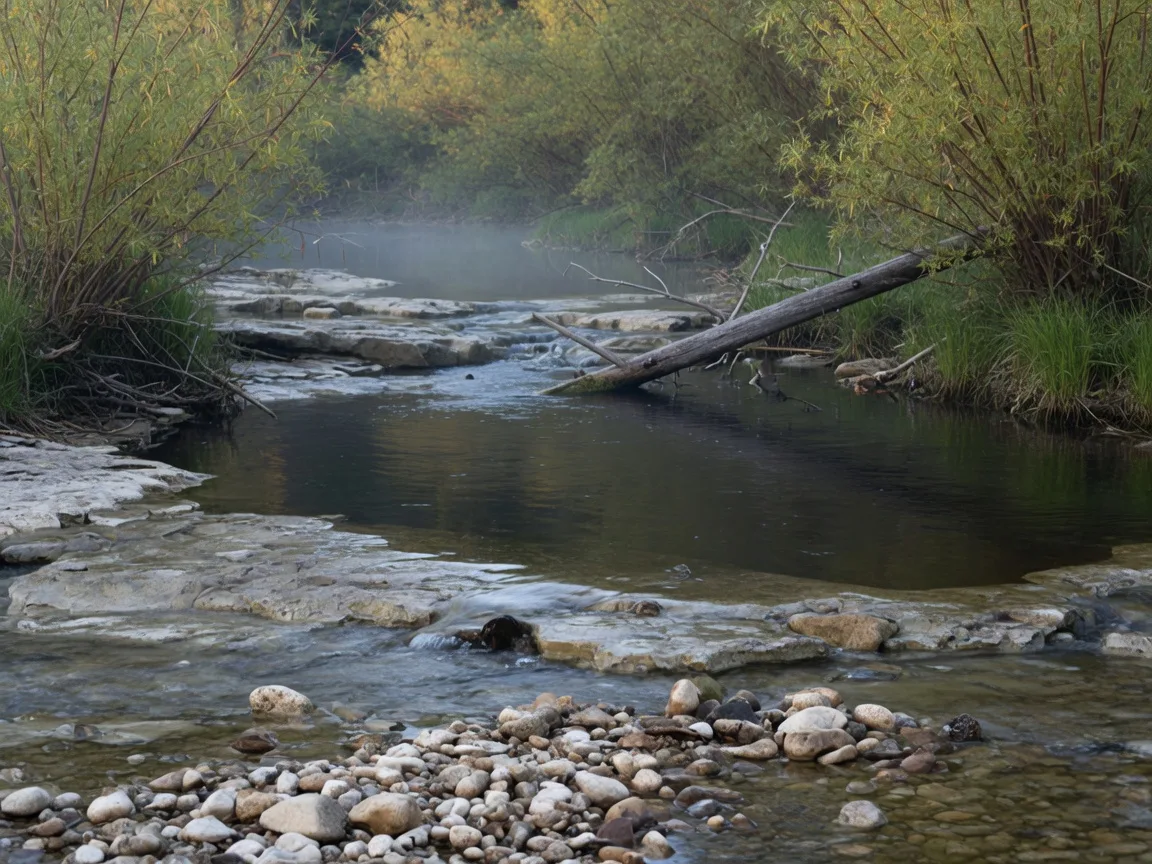
Hunting & recreation
Driftless recreational ground rents, leases and resells well when the cover, water and access are right. Demand has been consistent from out-of-state buyers.
Why an investor should care about lifestyle value.
Investors who only analyze land as a commodity miss the second market. The same tract that rents for cash income also trades in the recreational market, sometimes to a family who will keep paying you to keep an eye on it. When I value investment ground, I value every layer: the crop income, the timber, the conservation payments, the recreation draw and the way each layer supports the next sale.
The 1031 angle. Selling investment land and rolling the proceeds into a replacement property under Section 1031 lets the gain defer. It is a common and powerful move for landowners. Timing, identification windows and the right properties matter. I work with the tax professionals in these deals and keep the timeline straight for you.
Read: how 1031 exchanges work when selling landQuestions to ask on every income tract.
What does it actually rent for, and who rents it? Existing lease terms, operator quality and rent history tell you more than the USDA averages.
Is the rent real or hoped? Cash rent per tillable acre varies by soil and neighborhood. A wrong rate can turn a good farm into a poor investment.
What will it cost to own? Property tax, insurance, fence repair, tile issues, CRP paperwork: the carrying costs that make or break land returns.
What will it sell for later? I value a tract's likely resale in 5 and 10 years, not just its yield today. Land returns compound when bought right.
Clear title and boundaries? Easements, mineral considerations could matter. We chase these before you commit, not after.
Do the numbers survive a pullback? Land prices cycle. The right buy works in a flat market, not just a rising one.
Looking at rural ground for your portfolio?
Tell me what you want to buy or sell, from a quarter's rent to a timber tract and a 1031 in between. I'll bring the market printout and the straight talk.
Thanks, Josh
Talk about investment land
The tract, the county, and what you want it to do for you.