entry 11
How to Sell a Family Farm: A Practical Checklist
Selling a family farm is rarely just a real estate transaction. It is decades of memories, the land your family worked, and a big decision made together. This checklist is meant to help you think it through, the practical side and the emotional side, so you can make the right call on your own timeline.
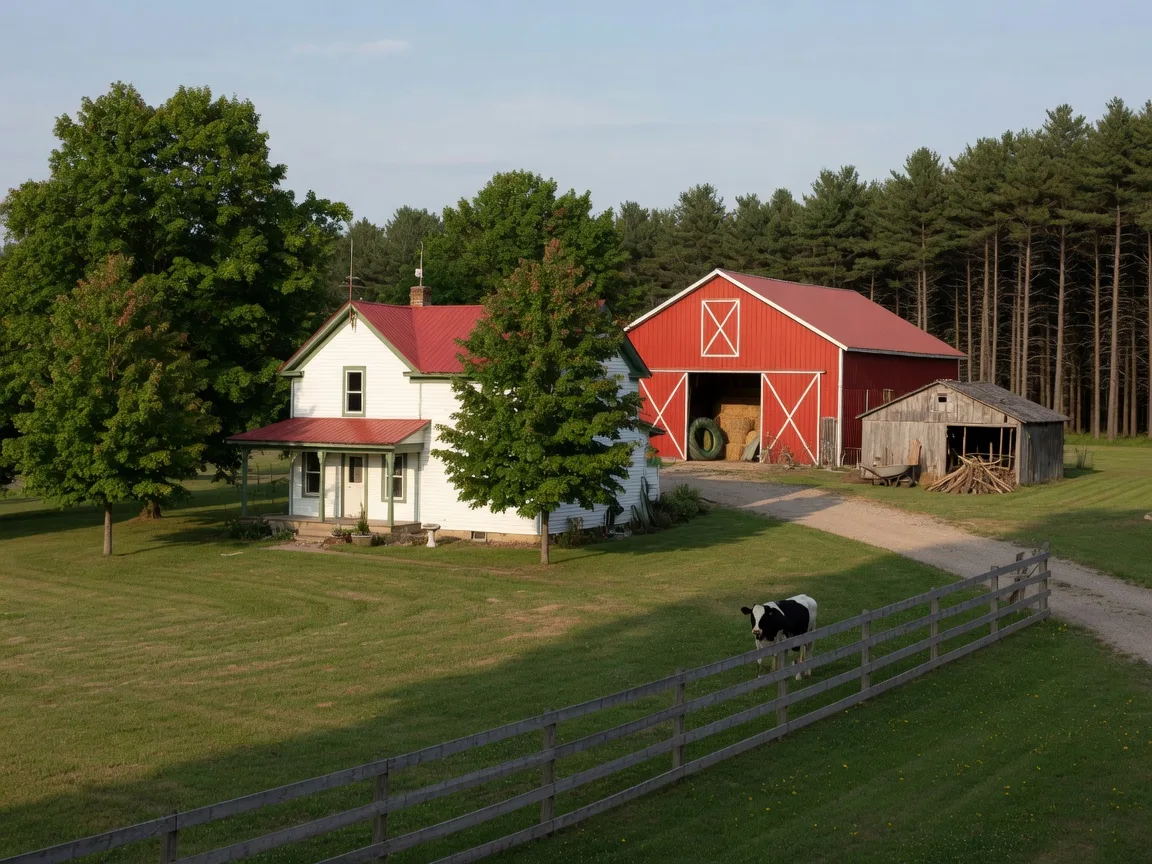
Start With the Family Conversation
Before anything touches the market, talk it through as a family. This is the step people skip, and it is the one that causes the most heartache later. Sit down together and ask what each person actually wants. Does anyone want to keep farming, or keep a parcel for themselves? Is everyone genuinely ready to let it go, or is someone quietly hoping to hold on?
Getting every goal on the table early, even the ones that are hard to say out loud, prevents conflict further down the road. The farm is shared history, and a sale touches everyone. When the whole family understands where everyone stands, the decisions that follow get a lot easier.
Know Exactly What You Own
Pull your survey, your tax records and any deeds you can find. Confirm your boundaries, your total acreage, and how the land actually breaks down: how much is tillable, how much is timber, how much is pasture, what buildings sit on it, and whether there is water in the form of a creek, pond or wetland.
You want a clean picture of what is yours before you ever tell a buyer what is for sale. That also means knowing what is not fully yours, anything subject to an easement or a lease. The clearer your own understanding is, the more confident you will sound, and the smoother every later step goes.
Sort Out Access and Easements
Legal access can quietly be one of the most important parts of a farm sale. Confirm whether the property has road frontage or a recorded access agreement, and be clear about any easements that cross the land or that the land relies on to get to a road.
Buyers and their lenders will want this sorted out, and they will ask about it early. The sooner you know your access situation, the better. A farm with clean, obvious legal access is far easier to market and to close than one where the answer takes a lawyer and a week to untangle.
Decide: Sell Whole or Divide?
Sometimes the strongest sale is the whole farm as one working property. It keeps the fields, the buildings and the character together, and it appeals to a buyer who wants the complete picture. Other times, dividing off a parcel makes more sense, maybe a home site for a family member or a smaller tract with its own appeal.
This is not a one-size-fits-all decision. It depends on the size of the place, the lay of the land, local zoning and what the market will support. It is worth talking through with someone who understands farms and rural property before you commit to either path, because the choice shapes everything that follows.
Get Your Paperwork in Order
Have your survey, your tax records, and any income details ready before you list. If the farm brings in money, whether through a cash rent lease, a CRP contract, or a record of past production, gather what shows that income clearly.
Buyers and their lenders will want a clear picture, and having it ready makes the whole process smoother and more credible. A seller who can hand over organized paperwork reads as a seller who knows the place, and that builds trust from the very first conversation.
Prepare the Property to Show Well
The farm shows best when the house is tidy, the buildings are safe and presentable, and the land is put together. Clean up around the outbuildings, make the access points obvious, and let the farm's character show through.
You do not need a remodel, and you should not sink a fortune into renovations you will never get back. You need a clean, honest presentation. Mow where it matters, clear the clutter, fix the safety hazards, and let buyers see the place the way the family has always seen it.
Price It on the Farm's Own Terms
A family farm is valued on its own merits, not on a generic price-per-acre or a subdivision comp. The tillable ground, the timber, the buildings, the water, the income, and the buyer who most values the whole package all matter. There is no single number that fits every farm.
Real comparable farm sales in your area drive the number, along with the specific character of your land. The goal is to price it so the buyer who wants exactly what this farm offers is the one most likely to make the strongest offer. That takes someone who understands farms, not just homes.
Respect the Timing and the Emotion
There is rarely one perfect moment to sell, and the family's readiness matters as much as the market. Some seasons bring more buyers for rural property than others, but timing is about more than a calendar. It is about when the family is truly ready to move forward.
A good plan protects the family's interests and lets you move when it genuinely makes sense, even if that means waiting. There is nothing wrong with taking the time to get both the head and the heart in the right place. The right decision on your own terms beats the fastest one.
The Bottom Line
Selling a family farm is a decision that deserves care, clear communication and a solid plan. Work through the practical checklist, keep the family talking, and you will be in a far stronger position to make the right decision on your own terms.
If you are starting to think about your family farm, I am glad to have a quiet, confidential conversation about it. No pressure and no obligation, just an honest look at your place and what a thoughtful path forward could look like. Reach out through the contact page whenever you are ready, and we will go through it together.
The fine print
This article is general information about the process of selling a family farm. It is not legal, tax, appraisal or financial advice, and every property and family situation is different. Talk to your attorney, accountant, appraiser or tax professional about what applies to your circumstances.
Thanks, Josh
Josh Genz is broker and co-owner of United Country Midwest Lifestyle Properties, licensed in Wisconsin (76296 · WI), serving Western Wisconsin, the Driftless Area and Southeast Minnesota.
Wondering what this means for your place?
Articles are general; your property is specific. Tell me what you own and I'll tell you what this means for your number.
Thanks, Josh
Ask about your property
What you own, where it sits, and the question from the article you want answered.