entry 10
What Buyers Actually Look For in Wisconsin Hunting Land
Hunting land buyers are not just counting acres. They are picturing a place where they will spend weekends, make memories, and maybe hand down to the next generation. Understanding what they are really looking at is the key to knowing what your property is worth and how to market it. Here is what I watch buyers weigh most when they walk a tract.
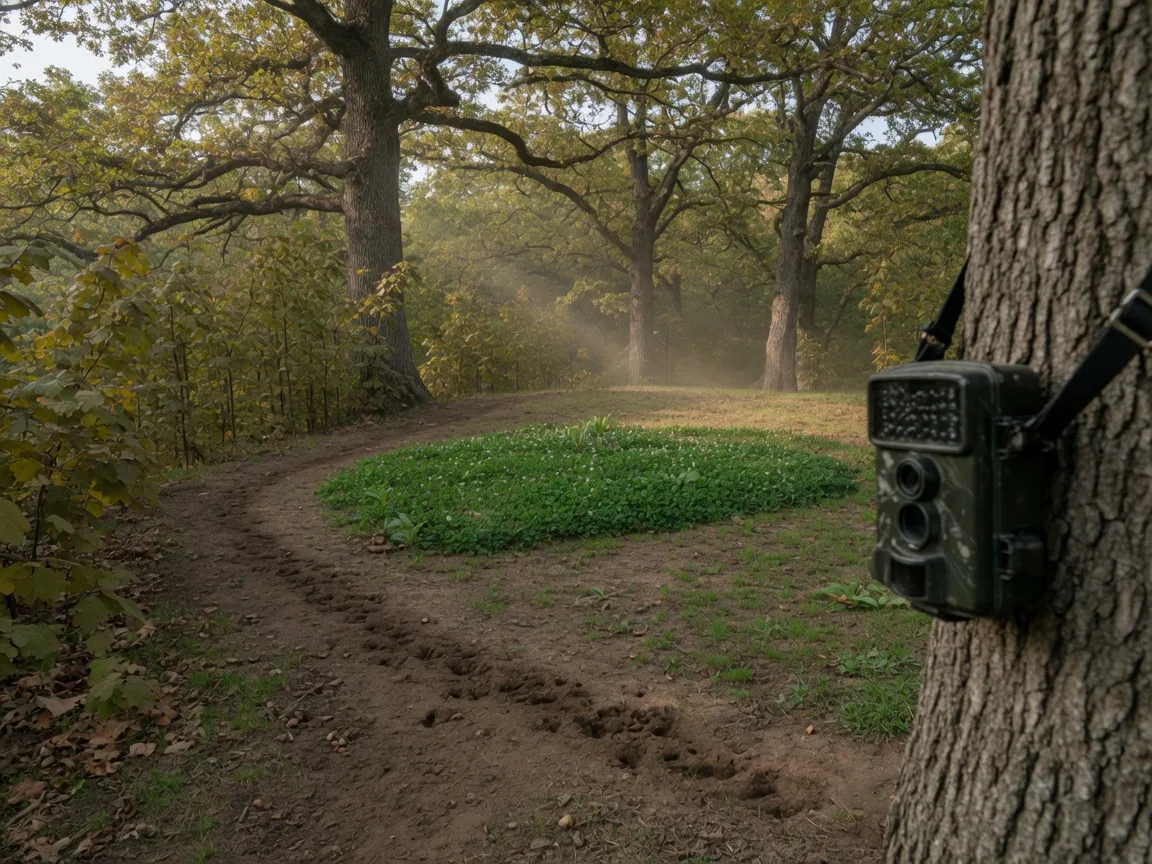
The Quality of the Habitat
The single biggest thing a hunting land buyer evaluates is whether the land actually holds and grows deer and other game. That comes down to habitat: the food sources, the bedding cover, the timber, the water, and how all of those pieces mix together across the property.
A property with a strong habitat story draws more serious buyers than one that is simply open acreage. Two tracts can have the same number of acres and sit a mile apart, and one will sell faster and for more because it has the cover and the food to keep deer around. That is the part buyers can see, and they pay for what they can see.
Food, Cover, and Water
The deer on a property need all three of these to stick around through the season. Buyers look for natural food like oaks and soft mast, planted food plots, thick bedding cover that gives deer a place to feel safe, and a water source. A tract that has the full mix is worth more to a hunter than one that checks only a single box.
Access and Seclusion
The second thing buyers weigh is a pair that seems to pull in opposite directions: they want to get to the property easily, but they do not want to share it. Legal, year-round road access is a big plus, and so is a feeling of seclusion once they are on the land.
A place that is easy to reach yet private is worth more than one that is hard to get to or sits too close to neighbors. Buyers picture themselves pulling in with a pickup and gear, then walking into woods where they feel like they own the place. If the driveway floods, the access runs through an easement, or the neighbors are close enough to wave at from your stand, that takes points off in a buyer's mind.
The Lay of the Land
Topography and land composition matter more than many sellers expect. The timber quality, the tillable fields, the wetlands, the ponds, and the overall diversity of the property all factor into how a buyer reads it.
Buyers often value a mix of terrain and cover types more than a flat, uniform parcel. A property with a ridge, a creek bottom, a field edge and a wet spot gives wildlife a reason to stay and gives a hunter different places to work. That variety reads as opportunity, and opportunity is what people buy.
Timber, Tillable, and the Mix of Terrain
Timber matters for the cover it gives and the value it holds. Tillable ground can add income value and feed deer at the field edges. Wetlands and ponds add water and attract game. The point is the mix: a property that offers several kinds of habitat in a small space is a more interesting place to hunt, and a more valuable one.
Improvements and History
Improvements on the land add appeal, and documented hunting history does too. Food plots, stands, trails, a cabin, a well, utilities, and proof that the land has been managed and enjoyed all make a property more attractive to a buyer.
Buyers like to see that the land has been cared for. A maintained trail, a food plot that has been planted and tended, a stand that is safe and in place, a cabin with power and a well, all of that tells a story that a raw parcel cannot tell. Just be honest and clear about what is actually on the property. Nothing hurts a sale faster than a buyer finding out the well does not work or the boundary does not line up.
What Buyers Are Willing to Pay For
At the end of the day, buyers pay for what they can see and use. The most valuable hunting land is usually the combination of great habitat, good access, some seclusion, and real amenities. A property that has several of those in place will draw more interest and stronger offers than one that has only acreage.
Know which of these your property has and lead with them. If you have a strong food plot and a managed timber stand, that is your story. If the selling point is the seclusion and the access, say that plainly. Buyers decide fast, and the properties that tell their best story clearly are the ones that get the serious look.
What This Means for You as a Seller
If you are getting ready to sell, the way you present the land matters as much as what is on it. Prepare the property to show well: mow the field edges, clean up the access, make the trails obvious, and put the food plot and stands where a buyer can see them work.
Have your boundaries and access sorted before you list. Buyers and their lenders will ask, and an honest, ready answer builds confidence. Then present the habitat and amenities clearly in the listing, the photos and the walk-through. The buyers who value hunting land the most are often the ones who will pay the most, so it pays to put the property's best foot forward.
The Bottom Line
Hunting land buyers are making a lifestyle choice, and they are evaluating your property on habitat, access, seclusion and improvements. When you understand what they value and present your land accordingly, you put yourself in the strongest position to attract the right buyer at the right price.
If you own hunting land and are wondering what it is really worth, let's have a quiet conversation about it. No pressure and no obligation, just an honest look at your property and the number the evidence supports. Reach out any time through the contact page and we will go through it together.
The fine print
This article is general information about what hunting land buyers look for. It is not legal, tax, appraisal or forestry advice, and every property is different. Talk to your attorney, accountant, appraiser or forester about what applies to your situation.
Thanks, Josh
Josh Genz is broker and co-owner of United Country Midwest Lifestyle Properties, licensed in Wisconsin (76296 · WI), serving Western Wisconsin, the Driftless Area and Southeast Minnesota.
Wondering what this means for your place?
Articles are general; your property is specific. Tell me what you own and I'll tell you what this means for your number.
Thanks, Josh
Ask about your property
What you own, where it sits, and the question from the article you want answered.